
markdown
Consumers Face Persistent Price Pressures as Core Inflation and Energy Costs Linger
Friday, 10 July 2026 – As the global economy navigates the mid-year mark, consumers are finding little respite from elevated prices. While headline inflation rates show a mixed picture across major economies, a closer look at the underlying components reveals persistent challenges, particularly in the service sector and from renewed energy price volatility. For households and businesses, this means continued pressure on budgets and operational costs.

Foto: Malte Luk / Pexels
The Stubborn US Picture: Services Remain Sticky, Expectations Rise
In the United States, recent inflation data signals a continued battle. The Consumer Price Index (CPI) for May 2026, released on June 10, 2026, saw an all-items increase of 4.2% year-over-year, accelerating from 3.8% in April 2026. On a monthly basis, the CPI rose 0.5% in May, following a 0.6% increase in April, with energy accounting for over 60% of that monthly rise.
Crucially, "core" inflation, which excludes volatile food and energy components, increased by 2.9% over the 12 months ending May 2026. This stickiness is largely attributed to the services sector, with shelter costs increasing by 3.4% year-over-year and medical care rising by 2.6% over the same period.
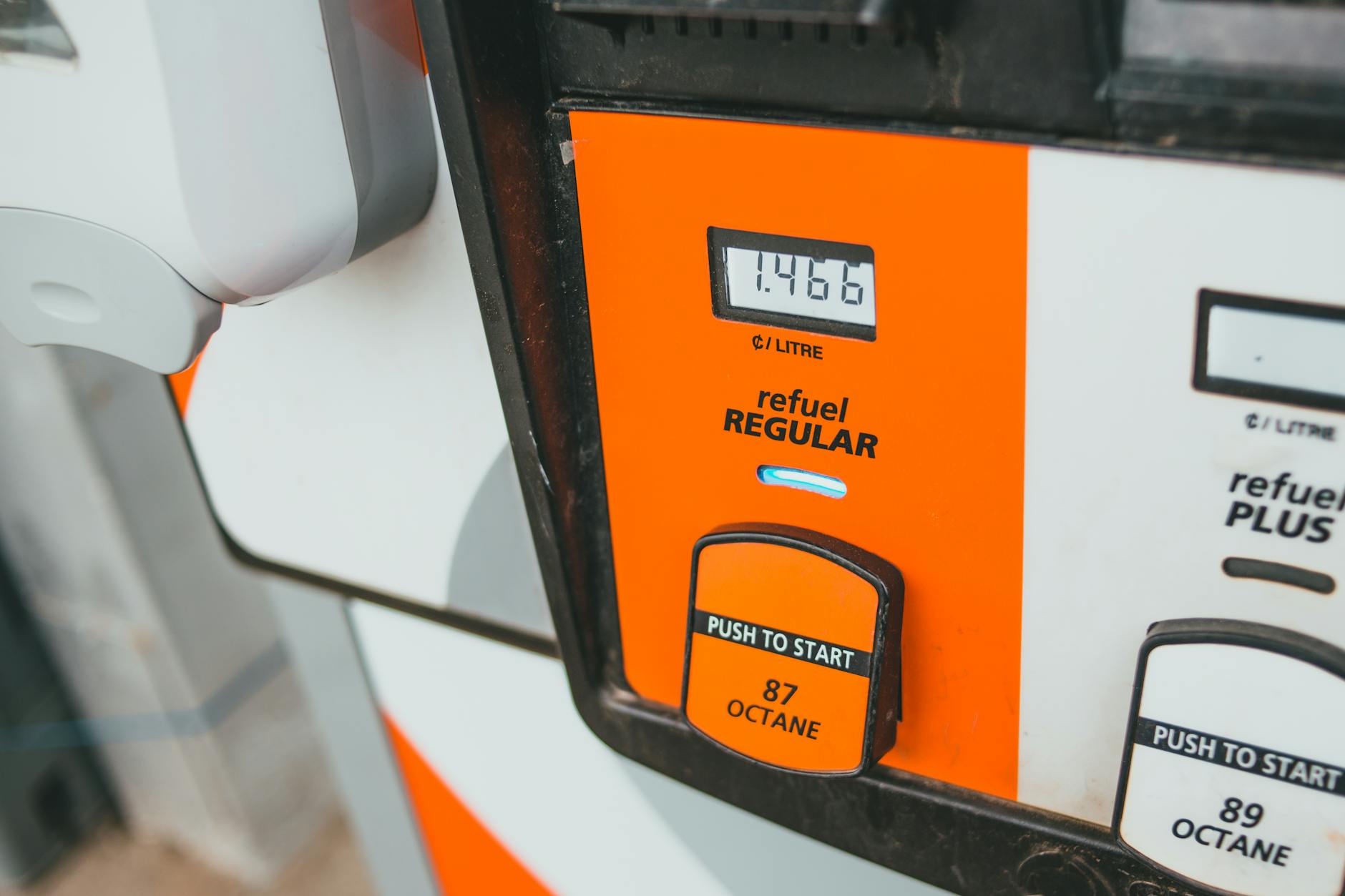
Foto: Erik Mclean / Pexels
Looking ahead, the Federal Reserve Bank of Cleveland's Inflation Nowcasting tool, updated on July 9, 2026, projects the June 2026 CPI (year-over-year) at 3.92% and core CPI at 2.85%. The July 2026 CPI is nowcast at 3.71%.
Adding to consumer concerns, the latest June 2026 Survey of Consumer Expectations from the Federal Reserve Bank of New York, released on July 7, 2026, showed median one-year-ahead inflation expectations climbing to 3.7%, the highest level since September 2023. Expectations for the three-year horizon also increased to 3.3%. This uptick in consumer inflation expectations could complicate efforts to bring prices back to target.
Eurozone and Germany: A Mixed Bag with Persistent Core Pressures
Across the Atlantic, the Euro area experienced some moderation in its headline inflation. Eurostat's flash estimate for June 2026, released on July 1, 2026, indicated that annual Harmonised Index of Consumer Prices (HICP) inflation was expected to drop to 2.8%, down from 3.2% in May. Services inflation, while moderating slightly to 3.2% (from 3.5% in May), remains a key contributor to the overall figure. Energy prices, though still high at an 8.7% annual rate, showed a decrease from May's 10.8%. The full HICP data for June 2026 is due on July 17, 2026.
Notably, within the Eurozone, Germany's Consumer Price Index (CPI), released today, July 10, 2026, confirmed an annual inflation rate of +2.3% for June 2026, a slowdown from +2.6% in May. However, German core inflation, excluding food and energy, stood at +2.5% in June, higher than the overall inflation rate. Service prices in Germany saw an above-average increase of 3.1% compared to June 2025.
Global Undercurrents: Energy and Lagging Wages Intensify the Squeeze
Globally, the disinflationary trend observed since early 2024 appears to have stalled. The International Monetary Fund (IMF) in its July 2026 World Economic Outlook Update projects global headline inflation to rise from 4.1% in 2025 to 4.7% in 2026, driven primarily by higher energy and food prices. Similarly, the OECD reported on July 6, 2026, that year-on-year inflation across its member countries rose to 4.6% in May 2026, up from 4.4% in April. J.P. Morgan analysts also highlight that inflation concerns have resurfaced due to elevated energy prices stemming from the ongoing Middle East conflict.
A significant concern for citizens is the ongoing struggle of wage growth to keep pace with inflation. In the US, nominal wages grew by 3.5% year-over-year in June 2026, according to the Employment Situation report released on July 2, 2026. However, forecasts from the Federal Reserve Bank of Cleveland suggest this growth will continue to lag behind inflation, effectively decreasing workers' purchasing power. The Federal Reserve Bank of New York also noted on July 7, 2026, that median one-year-ahead earnings growth expectations increased to 2.8% in June, the highest since March 2025, yet still below current inflation levels.
"The IMF projects global headline inflation to rise from 4.1% in 2025 to 4.7% in 2026, driven mainly by higher energy and food prices."
Implications for Citizens and Businesses
For everyday citizens, the persistence of inflation, especially in essential services like housing and medical care, coupled with rising energy costs, means that real wages are effectively shrinking. This erosion of purchasing power directly impacts household budgets, forcing many to make difficult choices about spending and savings.
Businesses, particularly those in service sectors, face the challenge of managing rising input costs, including wages, without alienating price-sensitive consumers. Energy price fluctuations create uncertainty for production and transportation, further complicating supply chain management and pricing strategies. Central banks continue to face a delicate balancing act, aiming to bring inflation back to target without stifling economic growth, a task made more complex by these entrenched inflationary pressures and shifting consumer expectations.