
Friday, July 10, 2026. As we write, global financial markets continue to navigate a landscape of opportunities and uncertainties. The International Monetary Fund (FMI), in its latest World Economic Outlook of July 2026, forecasts global growth of 3.0% for this year, a stable figure compared to April, but highlights how the economy is influenced by "crosscurrents of war and technology." The boom in artificial intelligence (AI)-driven investments contrasts with persistent geopolitical uncertainties and more stubborn inflation, with global forecasts revised upwards to 4.7% for 2026.
In such a dynamic and sometimes unpredictable environment, popular wisdom offers timeless advice to anyone approaching the world of investments: "Don't put all your eggs in one basket." This proverb encapsulates the essence of portfolio diversification, a fundamental concept for every investor, from novice to expert. But what exactly does it mean and why is it so important?
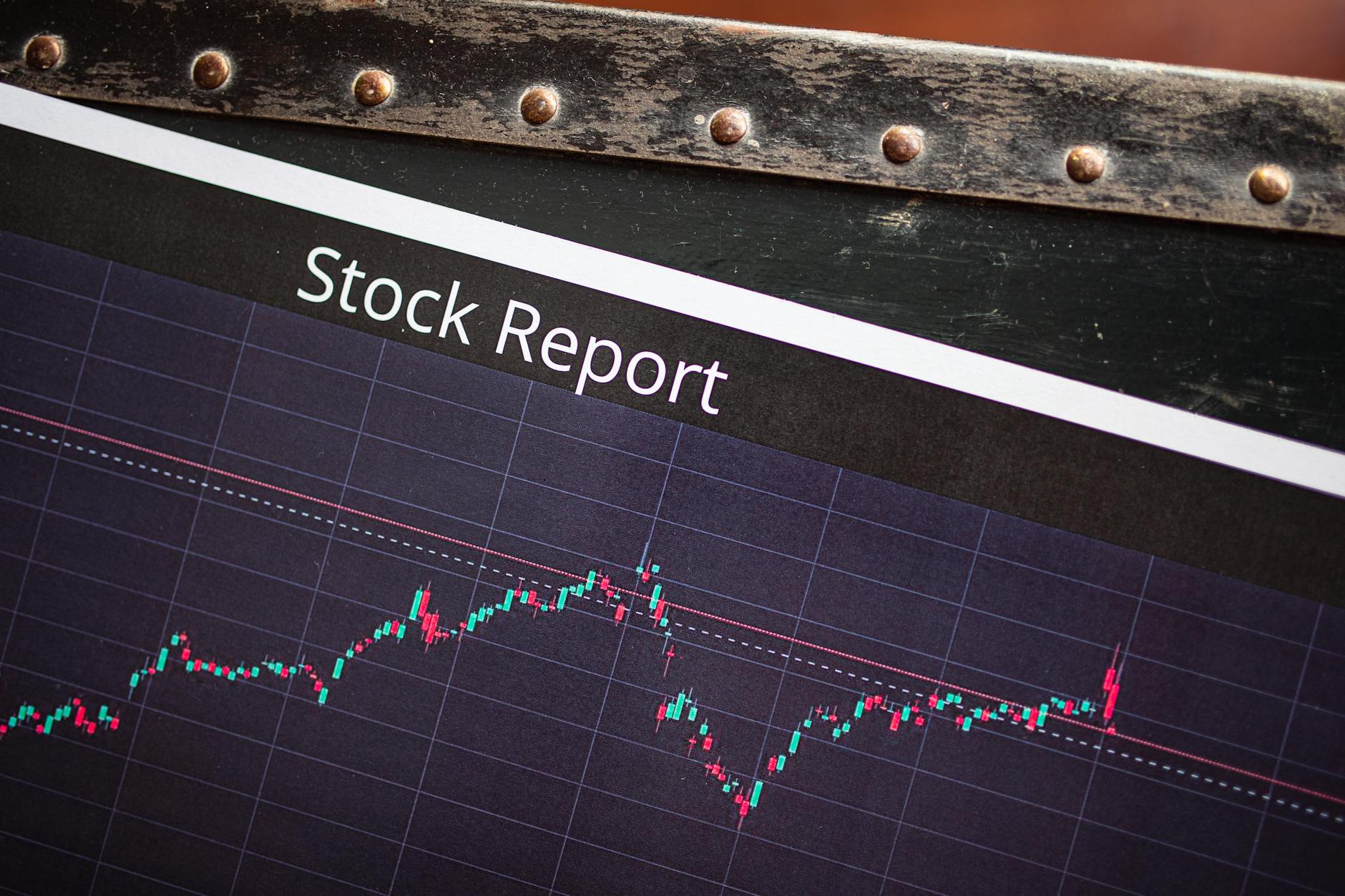
Photo: RDNE Stock project / Pexels
What is Diversification?
Diversification is the strategy of investing in a variety of assets, sectors, geographies, and different risk classes. The main objective is to reduce the overall risk of your portfolio. If one investment were to go wrong, others might not suffer the same impact or might even perform well, thus compensating for losses and stabilizing the general return on your capital.
Imagine having all your savings in shares of a single company. If that company were to face unexpected difficulties – perhaps due to a change in regulations, a new competitor, or a scandal – the value of your investment could plummet. By diversifying, you spread your capital across multiple fronts, mitigating the negative impact of a single adverse event.

Photo: DΛVΞ GΛRCIΛ / Pexels
Why Does Diversification Work?
The principle behind diversification is that different types of investments react differently to the same market conditions. When some assets fall, others may rise or maintain their value. This allows you to:
- Reduce Volatility: A diversified portfolio tends to have less extreme value fluctuations compared to a concentrated one.
- Manage Risk: You don't eliminate risk completely, but you significantly reduce the probability of suffering catastrophic losses due to a single weak point.
- Improve Risk-Adjusted Returns: In the long term, a well-diversified portfolio can offer more stable and predictable returns, allowing you to achieve your financial goals with greater peace of mind.
How to Diversify Your Portfolio: Practical Examples
Diversification is not a one-time task, but an ongoing process that adapts to your needs and market conditions. Here are the main dimensions in which you can diversify:
1. By Asset Class
This is the most common form of diversification and involves allocating capital among:
- Stocks (Equity): Offer high growth potential but are more volatile.
- Bonds (Fixed Income): Tend to be less risky than stocks and can provide a stable income stream. Historically, bonds have acted as a "shock absorber" during stock market downturns, and in 2026 they are reasserting their role as "ballast" in portfolios after periods of less stable correlation.
- Commodities: Gold, oil, industrial metals. They can serve as a hedge against inflation and geopolitical uncertainties. For example, gold has seen significant gains, acting as protection against inflation and geopolitical tensions. Oil prices, on the other hand, showed high volatility in Q2 2026 due to the conflict in the Middle East, but then fell towards the end of the quarter thanks to signs of de-escalation.
- Real Estate: Can be included through real estate investment trusts (REITs) or direct investments, offering diversification and income potential.
2. By Industry Sector
It's not enough to own many stocks; it's important that they belong to different sectors. A fitting example was seen in the second quarter of 2026: US stock markets experienced an impressive rally, with the S&P 500 gaining 15% and the Nasdaq Composite seeing a jump of 21.41%. This rally was largely driven by the technology sector, particularly artificial intelligence-related semiconductors, which outperformed the general index (e.g., +43.53% for the Information Technology sector in Q2).
However, as highlighted by analyses from early July 2026, within the same technology sector, some stocks of the so-called "Magnificent 7" slowed down in June after exceptional performances in the previous year. During the same period, sectors such as Industry and Finance showed solid performance, while US small-caps and emerging markets recorded significant growth (respectively +22.57% and +24.02% in Q2). This real-world scenario clearly demonstrates how a portfolio unbalanced on a single sector, even if dominant for a period, can miss opportunities elsewhere or be more vulnerable to sharp reversals.
3. By Geographical Area
Investing only in your home country exposes you to the specific risk of that economy. In Q2 2026, while US stocks recorded notable gains, international and emerging markets had a positive but more fragmented quarter. However, emerging markets showed strong performance, with a 24% return in Q2, also driven by semiconductor companies in South Korea and Taiwan, benefiting from the same AI investment cycle. Having a mix of global investments protects you from the specific economic cycles of a region.
4. By Company Size and Style
You can diversify between large-capitalization (large-cap), medium (mid-cap), and small (small-cap) companies. Additionally, you can balance between "growth" stocks (fast-growing companies) and "value" stocks (companies undervalued by the market).
Tools for Diversification
For beginners, ETFs (Exchange Traded Funds) and mutual funds are excellent tools to achieve immediate and cost-effective diversification. These funds automatically invest in hundreds or thousands of different securities, spreading the risk for you.
Mistakes to Avoid
- Over-diversification: Owning too many investments can excessively dilute your returns and make management difficult.
- Lack of rebalancing: The market causes your asset percentages to shift over time. It is crucial to periodically review and rebalance your portfolio (e.g., every 6-12 months) to maintain your original allocation and desired risk level.
Conclusion
Diversification does not guarantee profits or protect against all losses, but it is the most effective strategy for managing risk and navigating the complexity of financial markets in the long term. In a 2026 characterized by a global economy poised between technological potential and geopolitical tensions, a well-diversified portfolio is your most trusted ally for achieving your financial goals with greater peace of mind. Start building your well-balanced investment "basket" today!
Disclaimer: The information contained in this article is for educational purposes only and does not constitute personalized financial advice in any way. Every investment decision should be made after careful evaluation of one's financial conditions, objectives, and risk tolerance, possibly with the assistance of a qualified financial advisor.