AI's 'Picks and Shovels': The Foundational Tech Powering the Revolution in Mid-2026
As of Friday, 10 July 2026, the pervasive influence of Artificial Intelligence continues to reshape industries globally. While the spotlight often shines on the sophisticated large language models (LLMs) and innovative AI applications transforming everything from content creation to drug discovery, a deeper analytical dive reveals that the most resilient and perhaps underestimated value in the technology sector lies beneath the surface. It resides in the "picks and shovels" companies – the foundational infrastructure providers, specialized hardware manufacturers, and cloud giants that are enabling this unprecedented AI gold rush.
This perspective offers a crucial contrast to the narrative of AI application dominance, shifting focus to the indispensable, capital-intensive backbone that supports every AI breakthrough. Historically, during gold rushes, it wasn't always the prospectors who struck it rich, but often those who sold them the tools. Today, the tools are silicon, servers, and scalable cloud platforms.

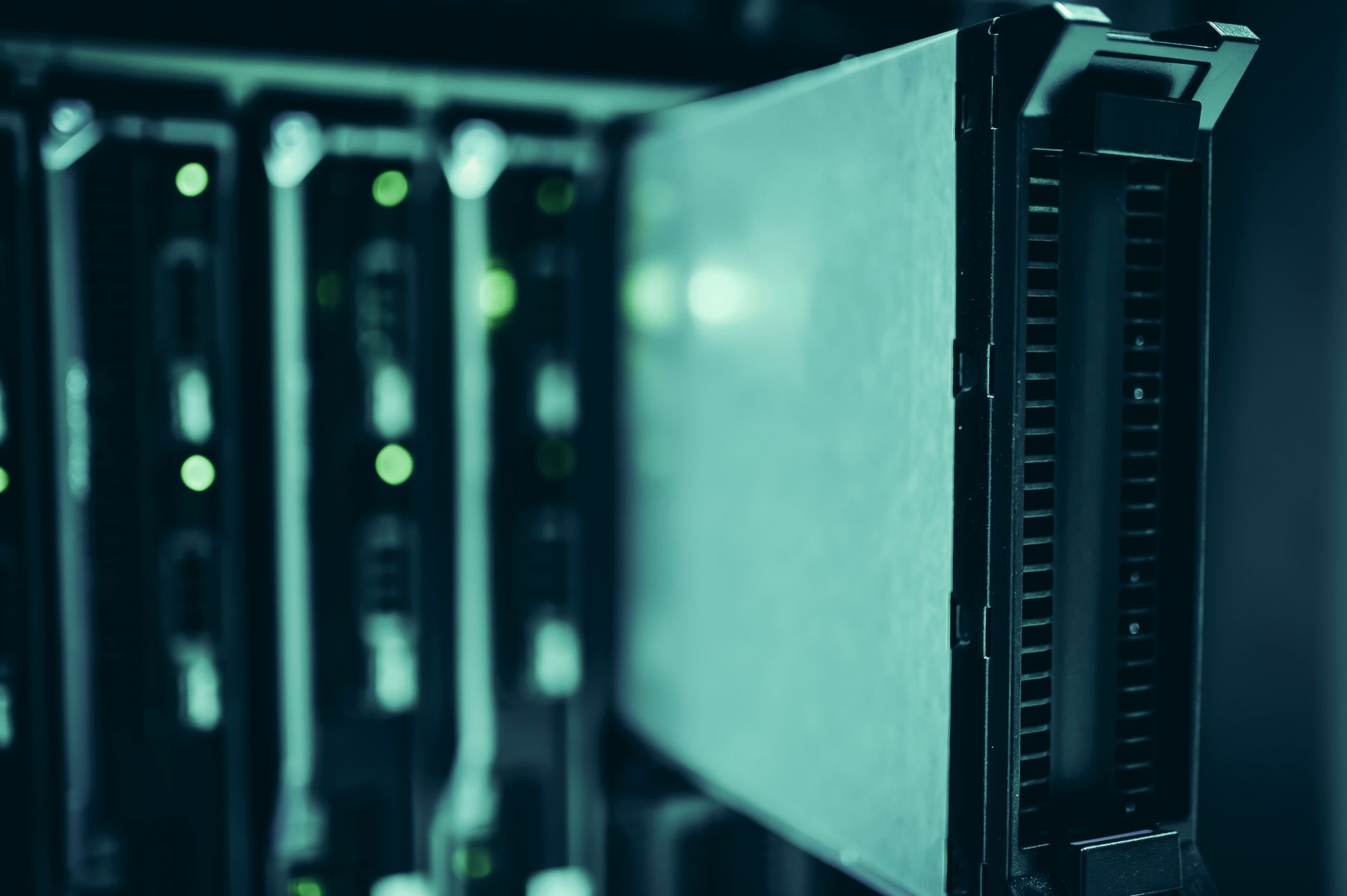
Foto: SHOX ART / Pexels
The Bedrock of Innovation: Semiconductor Dominance
At the heart of AI's computational prowess are advanced semiconductors. The escalating complexity of AI models, particularly for training and inference, demands exponentially greater processing power. This has fueled a sustained boom for chipmakers specializing in Graphics Processing Units (GPUs) and Application-Specific Integrated Circuits (ASICs).
NVIDIA, a bellwether for the AI hardware market, delivered staggering results in its Q2 2026 earnings report, published on Tuesday, 8 July 2026. The company reported record revenues, significantly surpassing analyst expectations, primarily driven by robust demand from its data center segment. This performance underscores the critical role NVIDIA's GPUs play in AI development and deployment. Management's strong guidance for Q3 2026 further indicates that this demand surge is far from abating.
However, the landscape is becoming increasingly competitive. While NVIDIA remains a dominant force, companies like Advanced Micro Devices (AMD) are making significant inroads with their MI series accelerators, and Intel, through its foundry services and specialized Gaudi chips, is actively challenging for market share. This competition is fostering rapid innovation, leading to more efficient and powerful AI-specific hardware, which is ultimately beneficial for the entire AI ecosystem.
Cloud as the Engine Room: Hyperscale Investments
Beyond individual chips, the sheer scale of AI workloads necessitates vast, interconnected computing infrastructure, primarily delivered by hyperscale cloud service providers. Amazon Web Services (AWS), Microsoft Azure, and Google Cloud Platform (GCP) are not merely hosting AI applications; they are the fundamental engine rooms where AI models are trained, refined, and deployed at scale.
A report by IDC, released in late June 2026, projected global AI infrastructure spending to reach $150 billion by 2027, with a significant portion attributable to capital expenditures by cloud service providers and large enterprises building out their AI capabilities. This monumental investment highlights the strategic importance these companies place on becoming the preferred platform for AI development.
Recent developments confirm this trend. As of early July 2026, both Microsoft Azure and AWS have accelerated their data center expansion plans, pouring billions into new facilities and upgrading existing ones to meet the insatiable demand for computational resources driven by AI. These investments encompass not only physical real estate but also advanced cooling systems, high-bandwidth networking, and specialized server racks optimized for AI workloads, underscoring the long-term commitment to infrastructure.
Competitive Dynamics, Risks, and the Long View
While the "picks and shovels" thesis presents a compelling investment case, it's not without its complexities and risks.
- Intense Competition: The rapid growth has attracted numerous players, leading to fierce competition in both the semiconductor and cloud infrastructure markets. Innovation cycles are shortening, requiring continuous R&D investment.
- Supply Chain Vulnerabilities: Geopolitical tensions and unforeseen events can disrupt the complex global semiconductor supply chain, as evidenced by past events.
- Energy Demands: The energy consumption of AI data centers is a growing concern. Rising electricity costs and sustainability pressures could impact profitability and necessitate further innovation in energy efficiency.
- Capital Expenditure Cycle: Hyperscale cloud providers operate on massive capital expenditure cycles. While current demand is strong, any future slowdown in AI adoption or increased efficiency could lead to oversupply in certain segments.
However, the enduring need for powerful, efficient, and scalable computing resources positions these foundational tech companies favorably for the long term. Unlike many consumer-facing AI applications that might face rapid shifts in user preferences or regulatory hurdles, the demand for the underlying infrastructure is more fundamental and stable, driven by the broad and deep integration of AI across all sectors of the economy.
As Friday, 10 July 2026 draws to a close, investors looking to understand the core drivers of the ongoing AI revolution should perhaps look beyond the dazzling models to the often-overlooked architects of its physical and digital foundation. These are the companies laying the groundwork, ensuring that the AI gold rush can continue, one chip and one server rack at a time.