The Silent Battleground: AI's Infrastructure Arms Race Beyond the Chip Hype
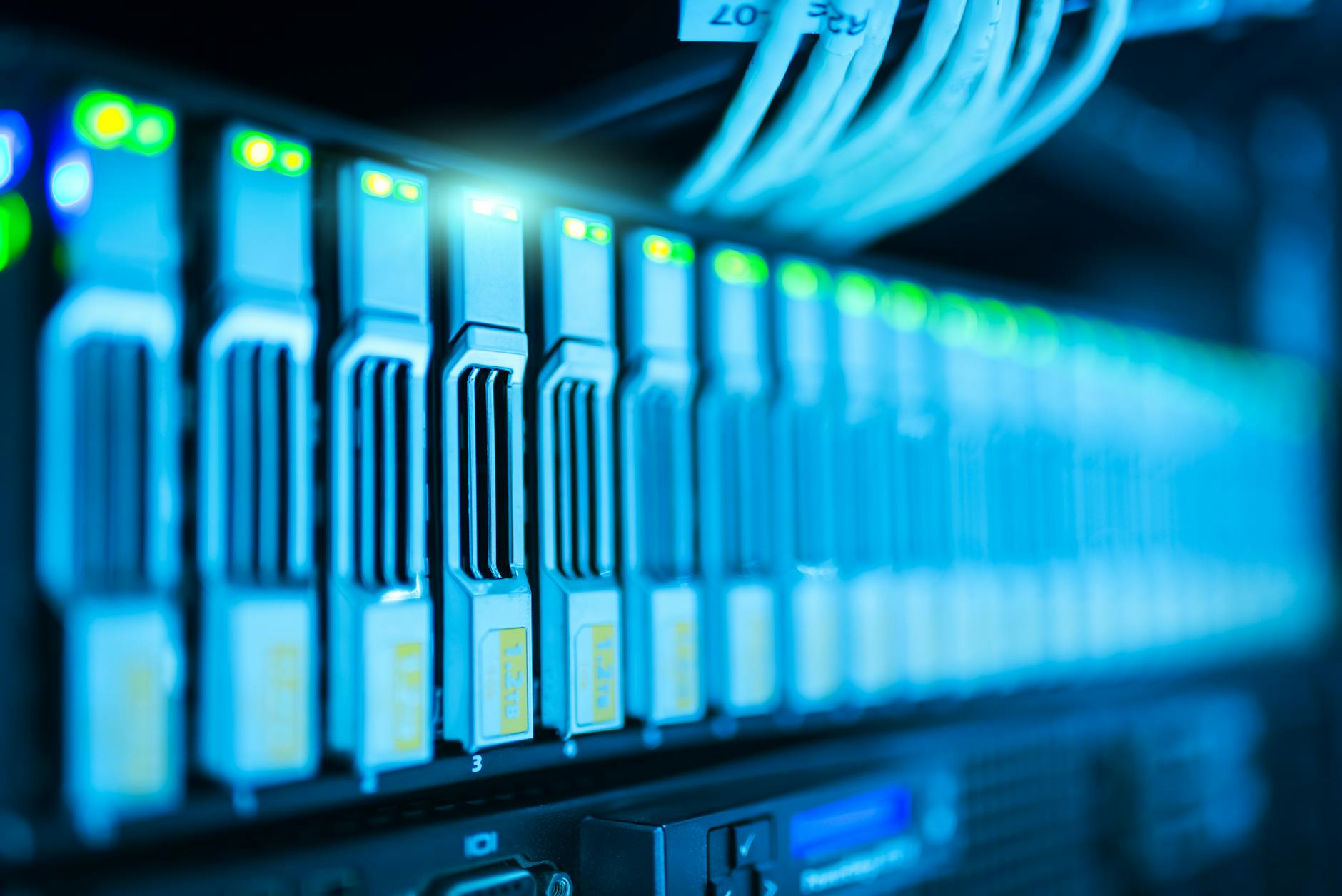
As of Friday, 10 July 2026, the technology sector continues its relentless march driven by artificial intelligence. While much of the investment narrative over the past two years has rightly focused on the transformative potential of AI models and the chipmakers powering them, a more subtle yet equally critical battleground has emerged: the physical and digital infrastructure essential for AI's widespread deployment and operationalization. The industry is witnessing an intensifying "picks and shovels" arms race in data centers, energy, and specialized networking, shifting the focus from mere computational power to the foundational layers required to sustain the AI revolution.
The Shifting Narrative: From AI Models to AI Foundations
The initial phase of the AI boom, particularly from late 2023 through 2025, was characterized by fervent innovation in large language models (LLMs) and a surge in demand for high-performance computing (HPC) chips. Companies like NVIDIA saw unprecedented growth as the primary enablers of this computational horsepower. However, as these models mature and enterprises move from experimentation to implementing AI at scale, the bottlenecks are no longer solely about silicon. The conversation in mid-2026 is increasingly about where these chips reside, how much power they consume, and how fast they can communicate with vast datasets.
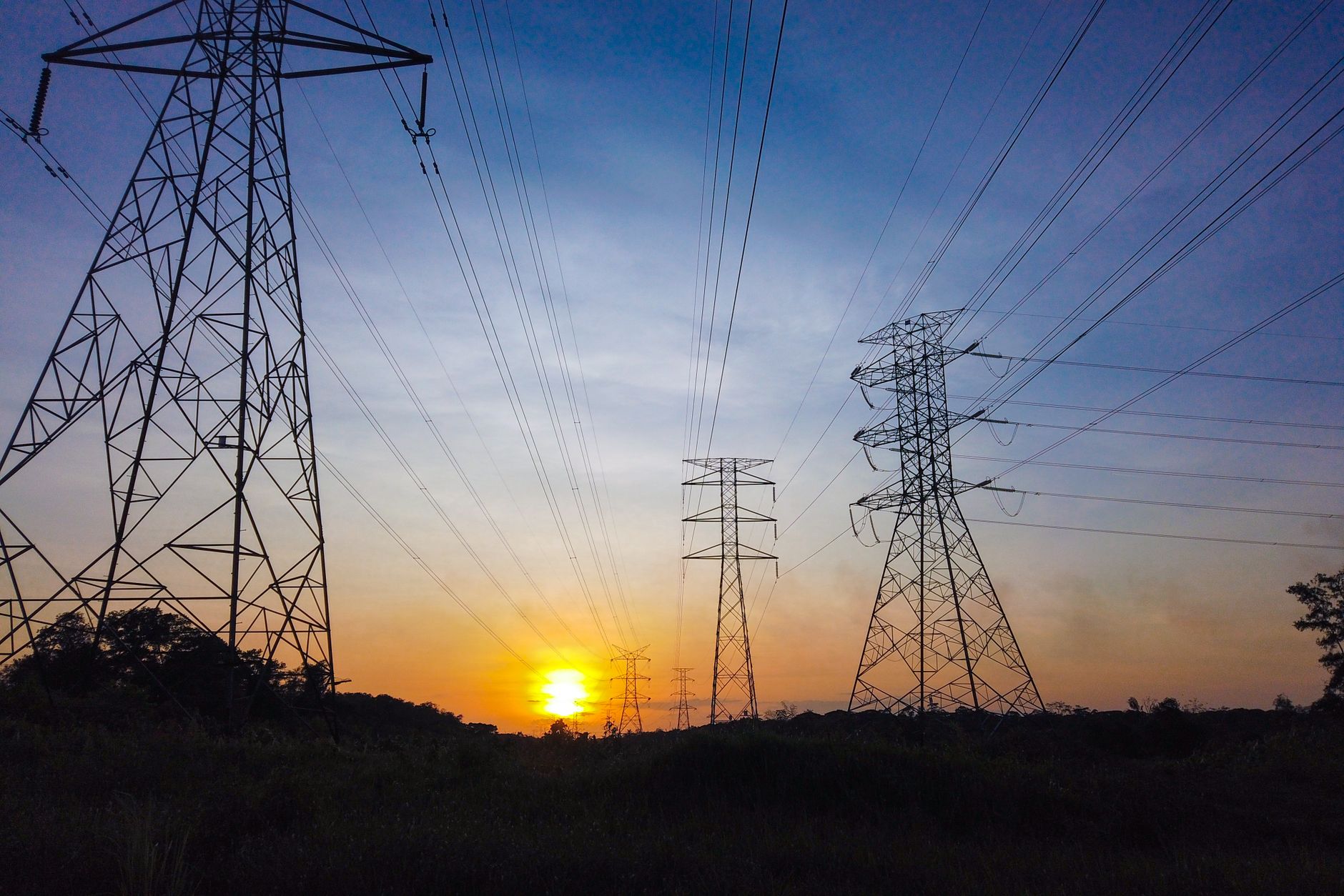
Foto: Pok Rie / Pexels
Analysts are now emphasizing that the next phase of AI investment will heavily target the physical and logical underpinnings that make AI functional outside of research labs. This is not merely an extension of previous trends; it's a recalibration of priorities driven by the unique demands of AI workloads.
The Data Center Deluge: Building the AI Factories
The most visible front in this infrastructure arms race is the explosion in data center demand, specifically for AI-optimized facilities. Traditional data centers are often ill-equipped to handle the high-density power requirements and heat dissipation of AI servers. According to a June 2026 report, the global AI data center market is projected to grow by over 25% annually through 2030, with significant capital expenditure occurring in early to mid-2026. Hyperscale cloud providers, enterprise corporations, and even national governments are scrambling to build or lease specialized data centers.
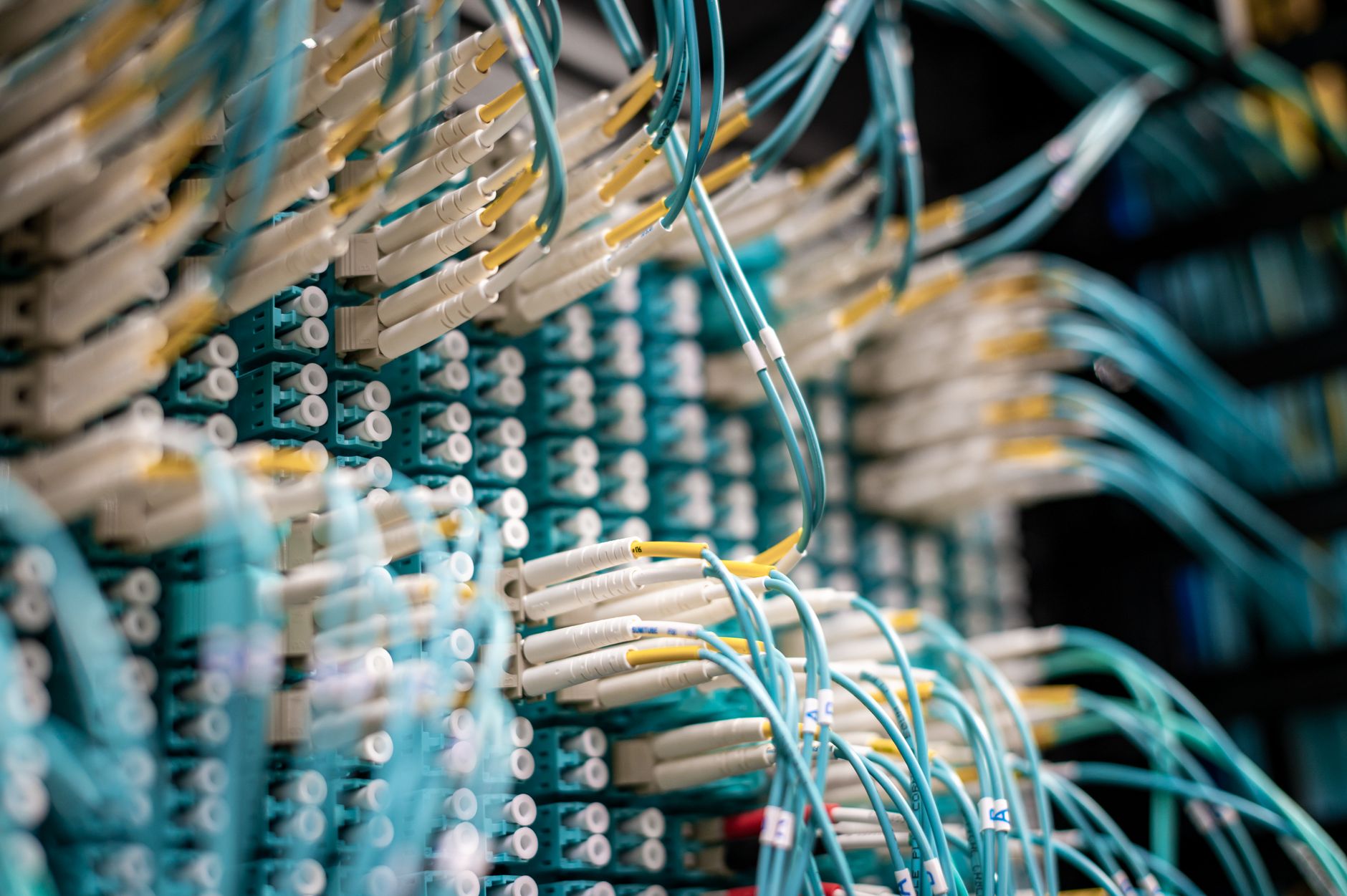
Foto: Brett Sayles / Pexels
Major players in the data center industry are reporting record new bookings and development pipelines. For instance, in Q1 2026, leading data center REITs indicated a surge in demand from AI-focused clients, often requiring massive power commitments (tens to hundreds of megawatts per site) and advanced cooling solutions like liquid immersion. The development cycles for these facilities are long, often 18-36 months, meaning current investment decisions will shape AI capabilities for years to come.
Energy: The Insatiable Appetite of AI
One of the most pressing and often underestimated challenges is the energy consumption of AI. Training sophisticated AI models can consume as much electricity as small towns, and even inference (using the trained models) requires substantial power. The International Energy Agency (IEA) highlighted in a June 2026 analysis that the energy demand from data centers, heavily influenced by AI, is on track to double by 2030 compared to 2023 levels.
This escalating energy demand has profound implications:
- Grid Strain: Existing electricity grids in many regions are not prepared for such a dramatic increase, leading to potential power shortages or the need for massive grid upgrades.
- Sustainability Concerns: The environmental footprint of AI is growing, pushing data center operators to invest in renewable energy sources and more energy-efficient hardware and cooling technologies.
- Geopolitical Impact: Access to reliable and affordable energy is becoming a strategic advantage, influencing where new AI data centers are built. Companies focused on sustainable power generation, energy management systems, and advanced cooling technologies are poised for significant growth.
Networking: The Neural Pathways of AI
Beyond raw compute and power, the specialized networking required for AI workloads is another critical infrastructure component. AI models rely on moving vast datasets quickly and efficiently between GPUs, memory, and storage. Traditional data center networking, designed for general-purpose computing, often struggles with the ultra-low latency and high-bandwidth demands of distributed AI training and inference.
In July 2026, leading network hardware providers are pushing advanced Ethernet and InfiniBand solutions designed specifically for AI clusters. These next-generation networks offer significantly higher throughput and lower latency, crucial for preventing computational bottlenecks. Furthermore, the rise of "edge AI" – processing data closer to its source – necessitates robust, low-latency connectivity across distributed environments, opening opportunities for telecom and edge computing infrastructure providers. Investment in technologies like 800-gigabit Ethernet and optical interconnects is becoming standard for cutting-edge AI deployments.
Scenarios and Risks
Opportunities
- Data Center Operators: Companies owning and developing hyperscale or specialized AI data centers stand to benefit from surging demand and premium pricing.
- Energy Infrastructure: Utilities, renewable energy developers, and providers of advanced cooling and energy management solutions will see increased investment.
- Networking Hardware & Software: Manufacturers of high-bandwidth switches, optical transceivers, and network orchestration software are well-positioned.
- Specialized Data Management: Firms offering solutions for efficient data storage, retrieval, and governance tailored for AI will also thrive.
Risks
- Capital Intensity: Building this infrastructure requires immense capital, potentially limiting the number of players and favoring larger firms.
- Regulatory Scrutiny: Environmental concerns related to energy consumption could lead to tighter regulations or taxes, impacting profitability.
- Technological Obsolescence: Rapid advancements in AI hardware could quickly render certain infrastructure components outdated, requiring continuous upgrades.
- Geopolitical Factors: Supply chain disruptions, energy crises, or international tensions could impede construction and operational stability.
The shift in focus towards the underlying infrastructure signals a maturation of the AI industry. While the allure of groundbreaking AI models will continue to captivate, the unsung heroes of this revolution – the data centers, power grids, and intricate networks – represent a robust, albeit capital-intensive, investment theme for the remainder of 2026 and well into the future. Investors looking beyond the obvious AI plays would do well to consider the foundational building blocks currently being laid for this transformative technology.
Disclaimer: This article provides general market analysis and is not investment advice. Investors should conduct their own due diligence.