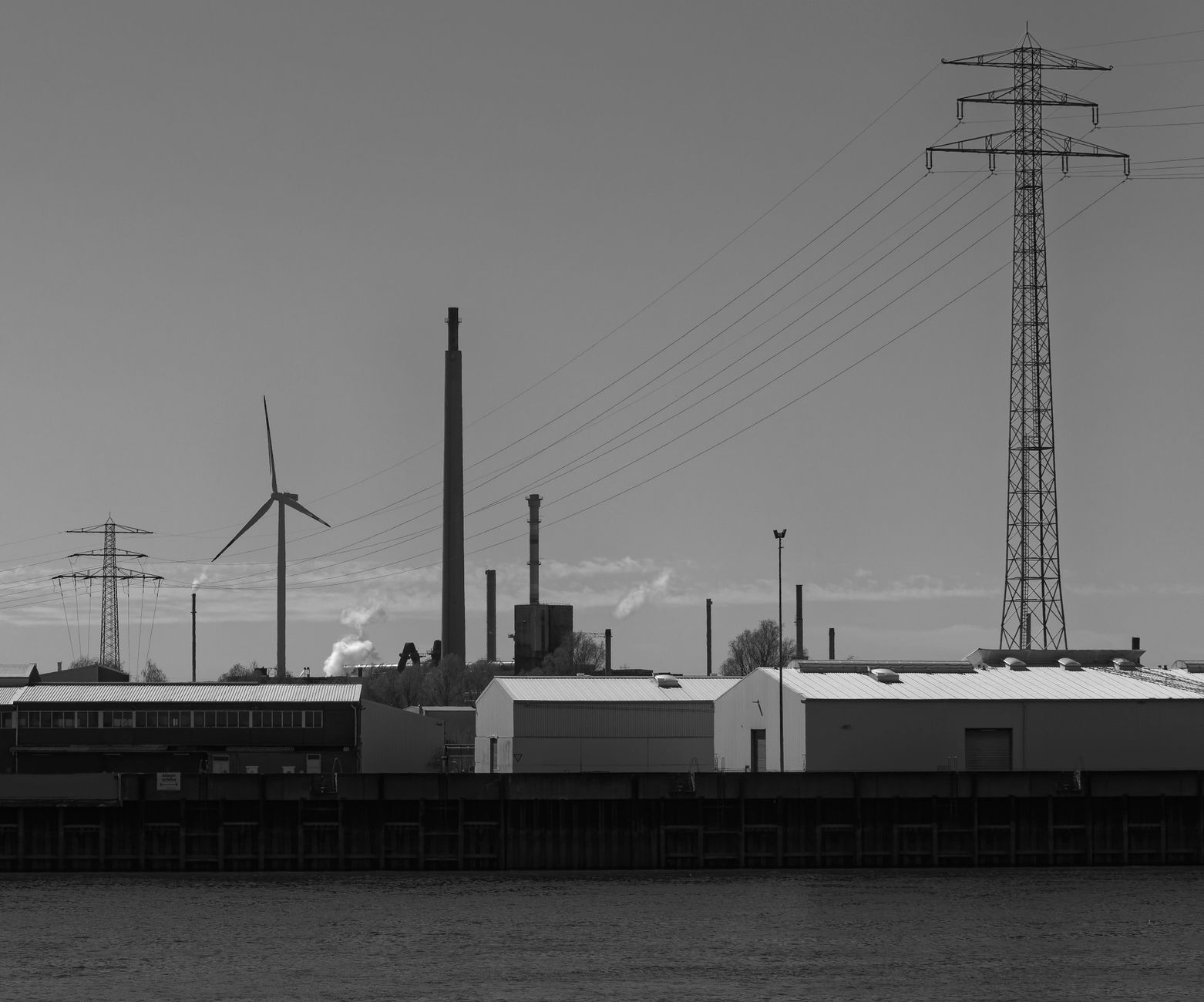
The Dual Imperative: How Energy Giants Navigate Profit and Planet in 2026
Friday, 10 July 2026 – The global energy sector is currently defined by a profound paradox: traditional energy giants are simultaneously reaping substantial profits from fossil fuels while facing escalating pressure to invest heavily in the clean energy transition. This intricate balancing act, far from being a simple pivot, represents a "dual imperative" that is reshaping investment strategies, technological focus, and market perceptions across the industry. For investors seeking to understand the 'why' behind the headlines, a deeper look into the capital allocation of integrated energy companies reveals a pragmatic, yet often controversial, approach to decarbonization.
The Enduring Reign of Fossil Fuel Profits
Despite ambitious global climate targets, the demand for oil and gas remains robust, particularly in emerging economies and for critical industrial processes. A recent Oxfam research note from April 2026 projected that six of the largest fossil fuel companies—including Chevron, Shell, BP, ConocoPhillips, ExxonMobil, and TotalEnergies—are set to earn $2,967 per second in profits during 2026, totaling an estimated $94 billion in projected fossil fuel profits for the year. This figure represents an increase of almost $37 million per day compared to their 2025 earnings. Such strong financial performance, often buoyed by geopolitical tensions and supply chain vulnerabilities, provides significant cash flow that these companies must decide whether to return to shareholders, invest in new fossil fuel exploration, or channel into lower-carbon solutions.
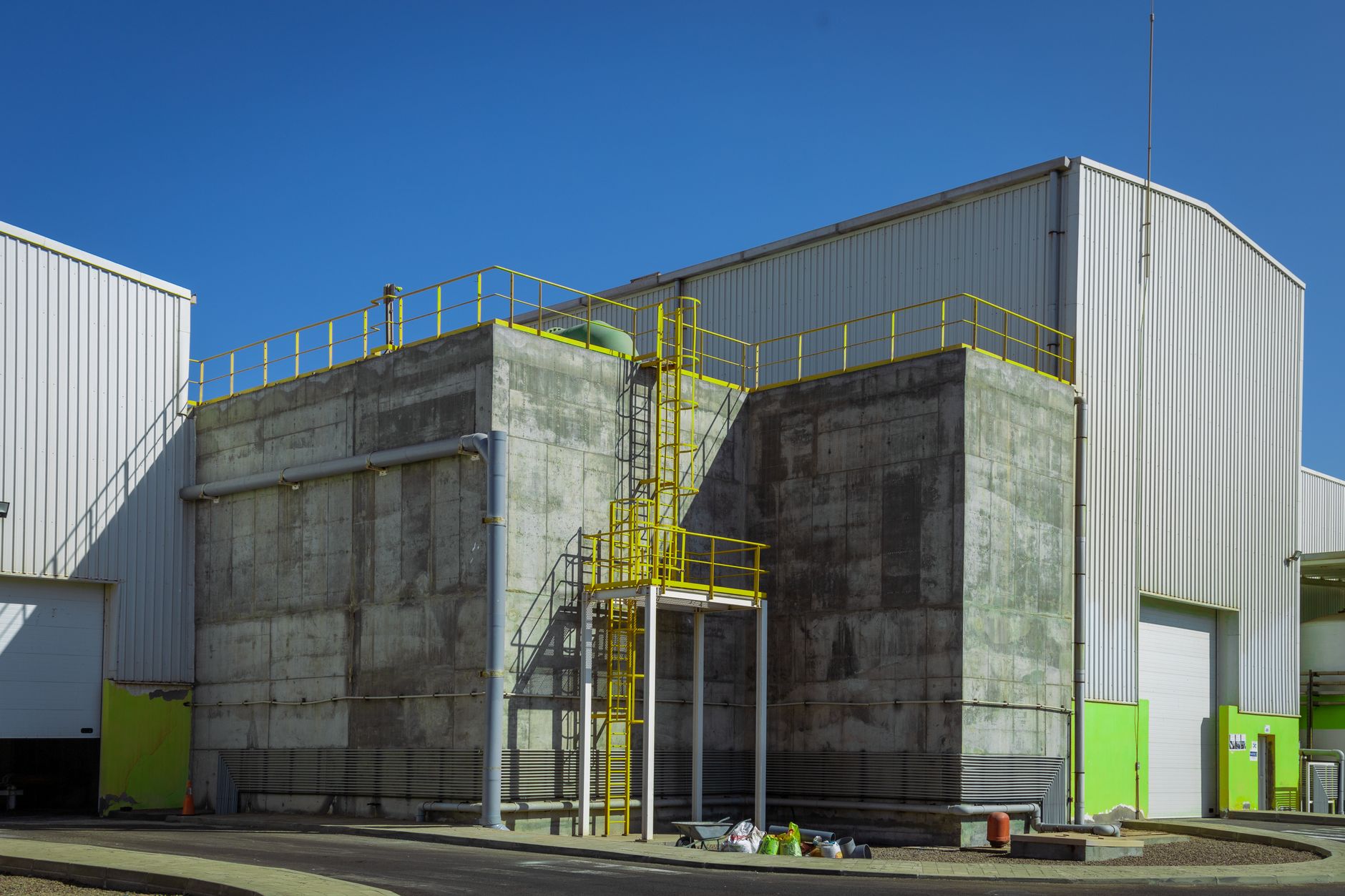
Foto: - Manouar / Pexels
Indeed, some majors are actively increasing their fossil fuel output. The TPI Global Climate Transition Centre at the London School of Economics and Political Science (LSE) found that Shell, ExxonMobil, Chevron, and seven other publicly listed firms collectively aim to increase production by an average of 14% between 2024 and 2030. This demonstrates that while rhetoric around the energy transition is strong, the immediate financial incentives for maintaining and even expanding hydrocarbon operations are powerful.
Strategic Divergence: Beyond Traditional Renewables
While many integrated energy companies initially explored broad investments in solar and wind projects, the focus in 2026 appears to be shifting towards specific decarbonization technologies that leverage their existing expertise and infrastructure. As noted by Hexagon's Asset Lifecycle Intelligence division in an April 2026 report, the industry in 2025 "broadly moved away from side ventures in renewable energy, particularly if they showed little profitability or alignment with their core business model," with 2026 favoring strategies like methane abatement and carbon capture, utilization, and storage (CCUS).

Foto: Tom Fisk / Pexels
Carbon Capture, Utilization, and Storage (CCUS)
CCUS is emerging as a cornerstone of many major energy companies' transition strategies. These technologies are critical for "hard-to-abate" sectors like cement, steel, chemicals, and power generation, which cannot easily switch to renewable electricity.
Recent developments underscore this trend:
- ExxonMobil (XOM) has been particularly active, expanding its carbon capture projects. In May 2026, the company enhanced its CO2 storage hubs, serving power plants and industrial facilities, and in February 2026, announced the startup of its second active commercial CCUS operation in Louisiana. The company expects to start two more CCUS projects in 2026, having already contracted third-party customers representing roughly 9 million metric tons of CO₂ annually.
- Occidental Petroleum (OXY), in June 2026, expanded its carbon capture and storage infrastructure, integrating CO2 transport and permanent geological storage systems.
- Chevron (CVX), in April 2026, also improved its carbon capture technologies with advanced CO2 compression and storage systems to support low-carbon power generation.
- The global Carbon Capture Power Plants and Storage Systems Market, valued at US$4.61 billion in 2025, is projected to reach US$12.10 billion by 2033, growing at a CAGR of 12.9% from 2026 to 2033, driven by increasing efforts to reduce carbon emissions and rising investments.
While environmental groups remain skeptical, questioning the true climate impact and cost-effectiveness of CCUS compared to direct emissions reductions, companies argue it's a necessary tool for deep decarbonization. The debate often centers on whether CCUS enables continued fossil fuel use or genuinely mitigates emissions from essential industries.
The Rise of Hydrogen
Another area attracting significant investment from traditional energy players is the hydrogen economy. Green hydrogen, produced using renewable electricity, is seen as a versatile clean energy carrier for transportation, industrial feedstock, and power generation.
- Analysis from AlphaSense in May 2026 highlighted that major integrated oil companies are allocating a growing percentage of capital expenditures to low-carbon projects, including renewable hydrogen.
- The global clean hydrogen market is projected for substantial growth, from an estimated $8.89 billion in 2025 to potentially exceed $350 billion by 2035.
- Companies like Air Products (APD), a major industrial gas supplier, are leading multi-billion dollar blue and green hydrogen infrastructure projects globally.
- Plug Power (PLUG), though a pure-play, is working with Olin Corporation on the St. Gabriel Green Hydrogen Plant in Louisiana, which started commercial operations in April 2025 and aims to scale production significantly.
- The International Energy Agency (IEA) in 2025 noted that hydrogen is becoming one of the fastest-growing segments of the global energy transition, with over 500 clean-hydrogen projects in development globally, representing over $100 billion in committed investment.
Investor Sentiment and Risks
The strategies of integrated energy companies present a complex picture for investors. On one hand, their robust fossil fuel cash flows can fund expensive clean energy ventures, offering a degree of financial stability that pure-play renewable companies might lack. On the other hand, the long-term viability and profitability of these new ventures remain under scrutiny.
- Some analysts suggest that companies with strong balance sheets, diversified portfolios, and clear transition strategies are better positioned to navigate the evolving energy landscape.
- However, the sector faces headwinds from potential demand destruction for fossil fuels, policy tightening, and capital market pressures.
- For instance, BP (BP), after initially setting aggressive decarbonization targets, scaled back its fossil-fuel cut commitment in 2023 and, two years later, announced a "strategic reset," slashing renewable energy investments and increasing oil and gas spending to $10 billion annually. This shift reflects a prioritization of "shareholder value" over deep decarbonization at times of market volatility.
- TotalEnergies (TTE) similarly announced in April 2026 that it had abandoned its net-zero emissions target for 2050, citing a slow energy transition and agreeing to a deal to pivot towards fossil gas investments in the US.
The tension between maintaining shareholder returns from traditional operations and committing sufficient capital to truly transformative low-carbon solutions is a defining characteristic of the energy sector in mid-2020s. Investors must critically assess the credibility and scale of these transition strategies, differentiating between genuine transformation and incremental adjustments aimed at placating stakeholders.
Conclusion
As of Friday, 10 July 2026, the energy sector's transition is less a sudden revolution and more a complex, multi-speed evolution driven by a mix of market forces, technological advancements, and regulatory pressures. Integrated energy companies are not abandoning their core business overnight but are strategically re-allocating capital to areas like CCUS and hydrogen that leverage existing capabilities while addressing decarbonization goals. This dual imperative shapes a landscape where traditional energy prowess and nascent clean energy solutions coexist, presenting both significant opportunities and inherent risks for investors navigating the path to a lower-carbon future. The coming years will reveal whether these strategic pivots are sufficient to meet global climate ambitions or if they merely serve to extend the life of fossil fuel assets under a greener guise.
Disclaimer: This article is for informational purposes only and does not constitute financial advice. Investors should conduct their own research and consult with a qualified financial professional before making any investment decisions.